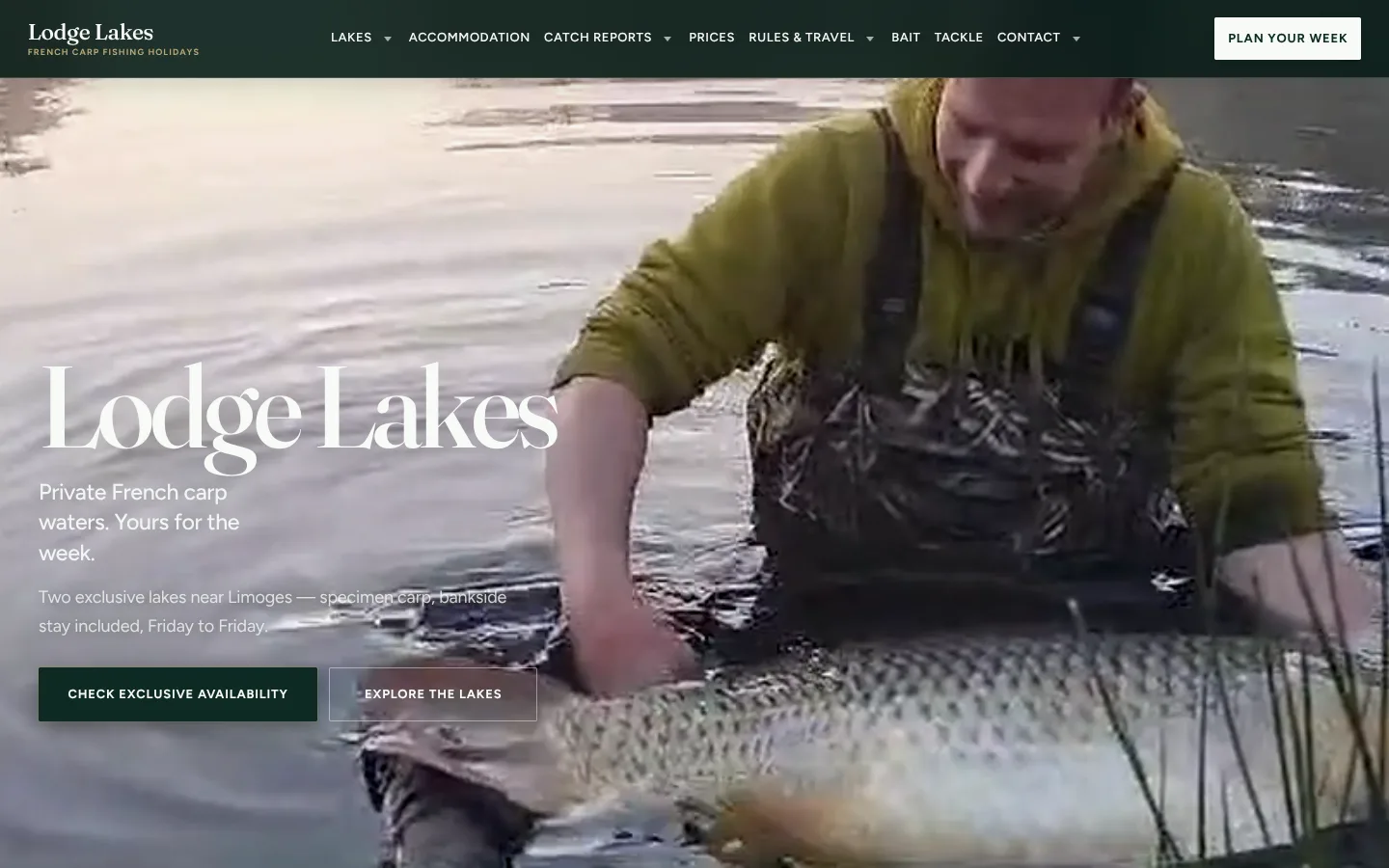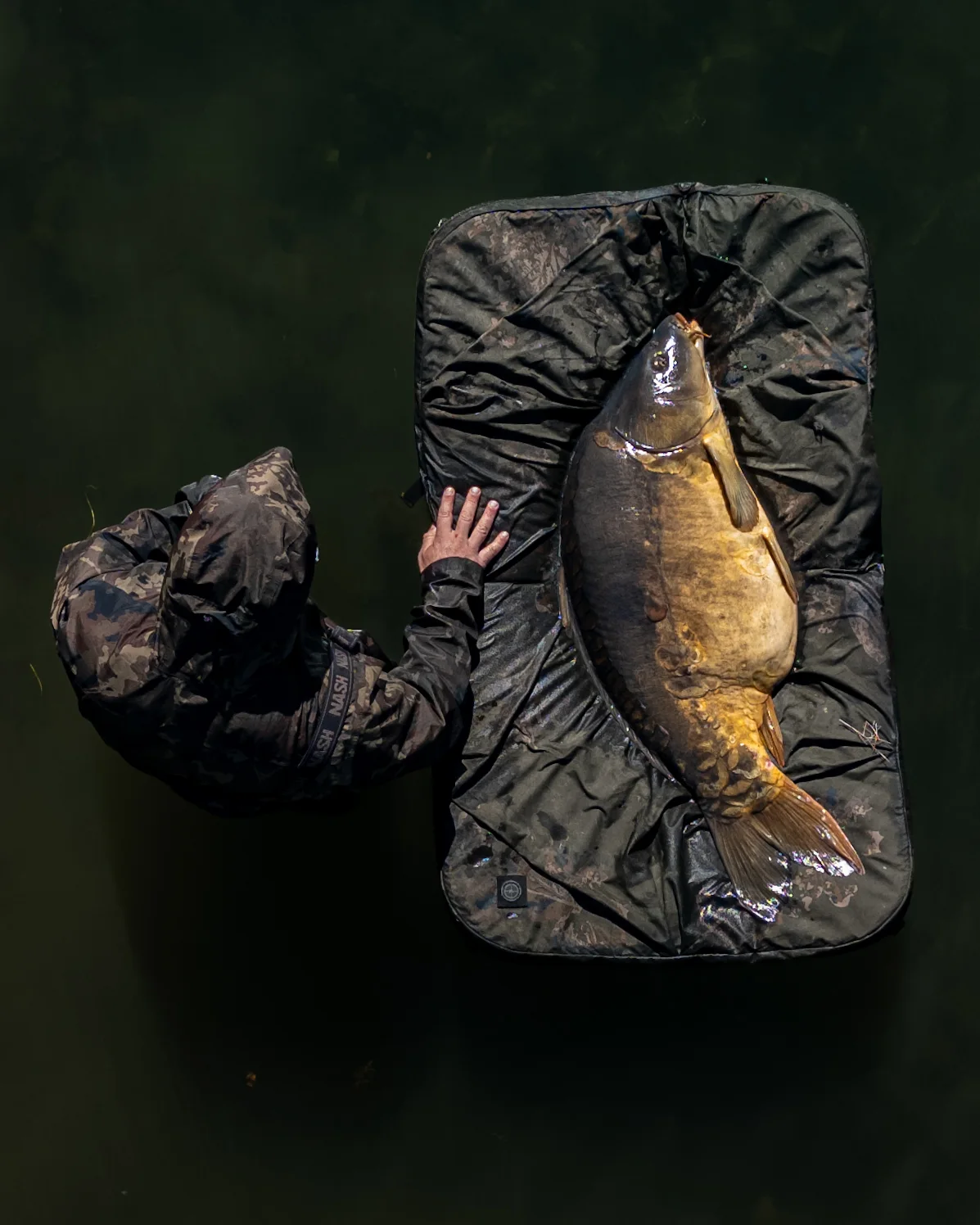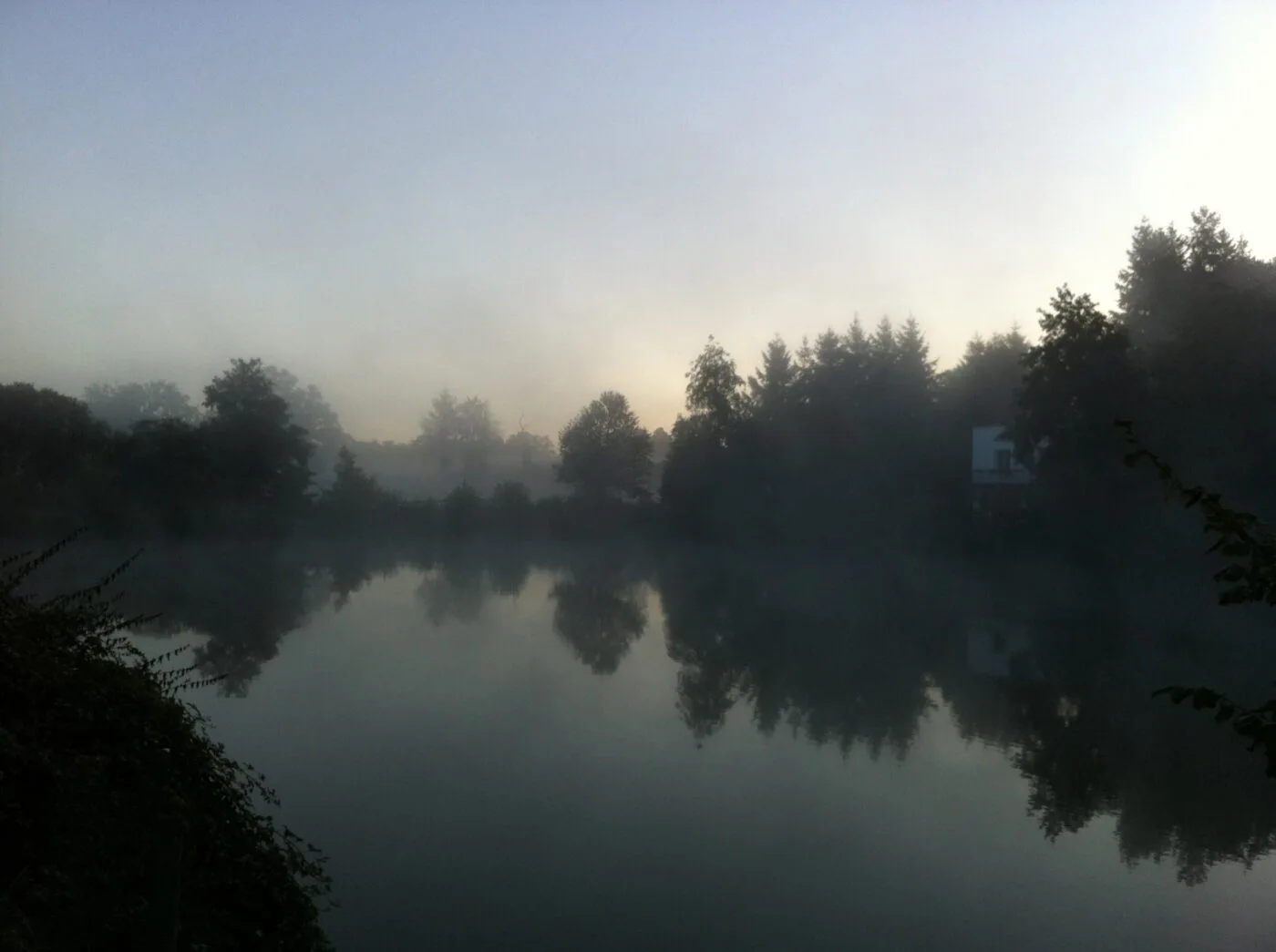
A French carp fishing holiday is a bigger commitment than a quick session at a local water. An angler may be arranging a ferry, driving several hours, booking time away from work and bringing a group of friends.
That changes what a French carp fishery website needs to do. Beautiful carp photographs are important, but they are only one part of the decision. Your visitors also need confidence about the lake, the accommodation and the journey.
If your venue attracts anglers from the UK, here is what I would make easy to find.
Show the complete fishing experience
Lead with real photographs of the lake and its fish, but do not stop there.
Show the banks, swims, surrounding environment, accommodation and shared facilities. If you offer several lakes, give each one its own clearly labelled section.
A customer who has never visited France needs to understand more than the stock photographs suggest: Is the lake intimate or open? Is the accommodation beside the water? How far is parking from the swims? Are facilities shared?
Only include details that are correct for your venue. A photo of a carp is not a promise of a particular catch.
Make the booking arrangement unambiguous
Many French carp holidays are sold as exclusive lake bookings or fixed weeks. If that is how your venue operates, put it near the top of the page.
Explain:
- Whether the lake is exclusive or offers individual places.
- The number of anglers included or permitted.
- The minimum stay and any fixed changeover days.
- How guests and non-anglers are counted.
- The price basis and what is included.
- When deposits and outstanding balances are payable.
If there are different rates for different party sizes, show the options clearly rather than expecting customers to ask for each quote.
A straightforward booking summary can be much more persuasive than an elaborate reservation widget that does not match your rules.
Travel details are part of the product
UK visitors may travel by ferry or through the Channel Tunnel before driving through France. Their practical questions start long before they arrive at the lake.
A useful travel page can cover the nearest town, location map, driving directions, estimated travel considerations without promising precise journey times, the correct entrance and how arrival works.
Explain your check-in and departure arrangements. If there is a meeting point, access code or requirement to contact the owner before arrival, make that information easy to find.
Travel requirements can change. Rather than publishing a checklist that may become outdated, link visitors to current official government guidance for passports, driving and travel rules.
Accommodation needs its own explanation
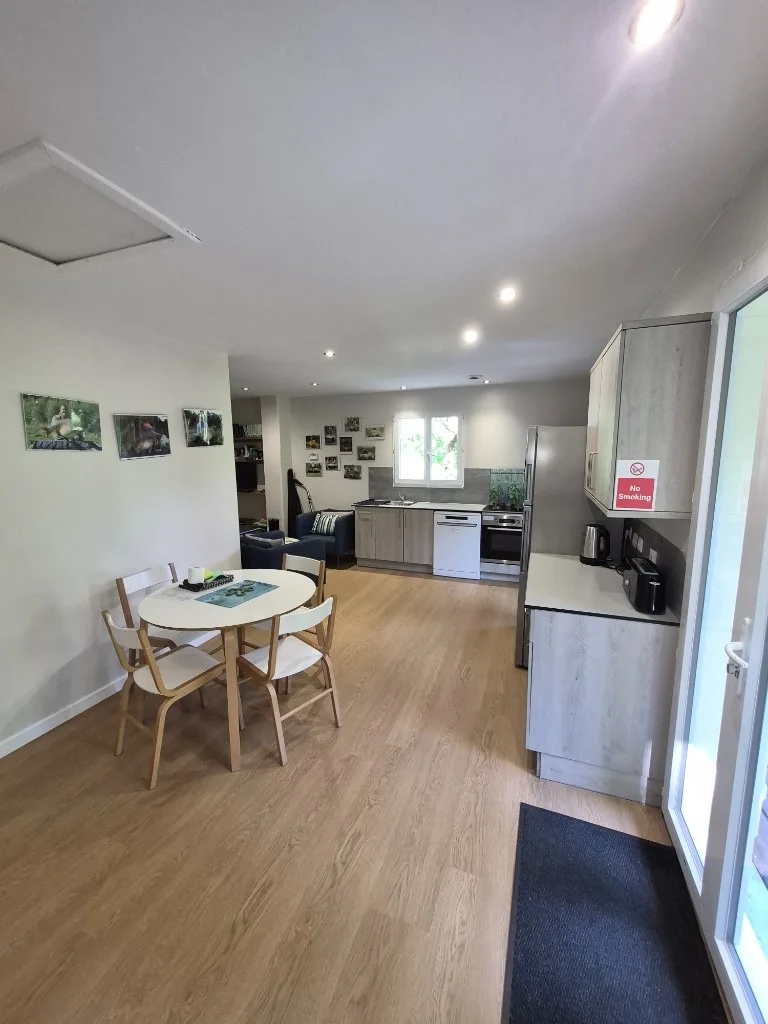
If your venue offers a lodge, cabin or other accommodation, describe it as carefully as the fishing.
Visitors may want to know the number of beds, cooking facilities, showers, toilets, electricity, heating, Wi-Fi availability, and whether the accommodation is included in the lake price.
State which facilities are private, which are shared and whether non-anglers can stay. Include photographs of actual interiors, not only exterior images.
If accommodation is optional or charged separately, say so next to the booking options.
Explain bait, food and fishery rules
Anglers planning an overseas trip may need to arrange bait and equipment in advance.
If you sell bait at the lake, explain what is available, how it is ordered and whether it must be reserved beforehand. If you offer food packages, describe what is included and how dietary requirements are handled.
Publish relevant fishing rules: permitted bait and rigs, equipment standards, fish care requirements, landing nets, unhooking mats and any restrictions specific to the water.
Do not mix venue rules with general travel restrictions. Direct visitors to authoritative, up-to-date sources where official regulations apply.
Use a gallery that tells an honest story
Organise your photographs so a visitor can browse by lake, accommodation, fish and facilities. Add brief, useful captions rather than generic filenames.
Keep the gallery current. Photos taken many years ago may still be useful, but should not misrepresent the condition or facilities of the venue today.
A simple gallery with genuine images can outperform a flashy carousel if it helps anglers answer their practical questions.
Let people enquire without friction
Not every visitor is ready to pay immediately. Some are comparing dates, discussing a group booking or checking whether a venue is suitable.
An enquiry form should ask only what you need to respond: name, email, intended dates, number of anglers and any relevant question.
If you offer instant online booking, make the distinction between an enquiry, a temporary hold and a confirmed booking clear. If customers pay deposits, show the payment summary and terms before checkout.
For venue owners considering this step, our booking-system planning guide explains the operational decisions to make first.
Can a French fishery website attract Google traffic?
It can become more discoverable when it uses useful pages and language that match what visitors search for.
A page about your specific lake, exclusive booking arrangement, accommodation and travel experience gives Google and customers more context than a one-page website filled only with photographs.
Use clear page titles, natural descriptions, meaningful image alt text and links between relevant pages. Provide genuine venue details instead of publishing many near-identical pages targeting slightly different search terms.
A bilingual website may be useful where you serve different audiences, but translated pages require care, proper language handling and accurate content. It is better to manage a few good language versions than several neglected ones.
What does a better fishery website look like?
Karp Studio’s Happy Lake and Tranquillity Lakes project pages show examples of website work for French carp venues. Every lake has a different identity, accommodation setup and booking model, so the design should not be copied from one venue to another.
The best website brings together the fishing, the holiday and the practical decision to book.
If you run a French lake, explore our French carp fishery website design service or start a conversation about what your visitors need to understand before they travel.