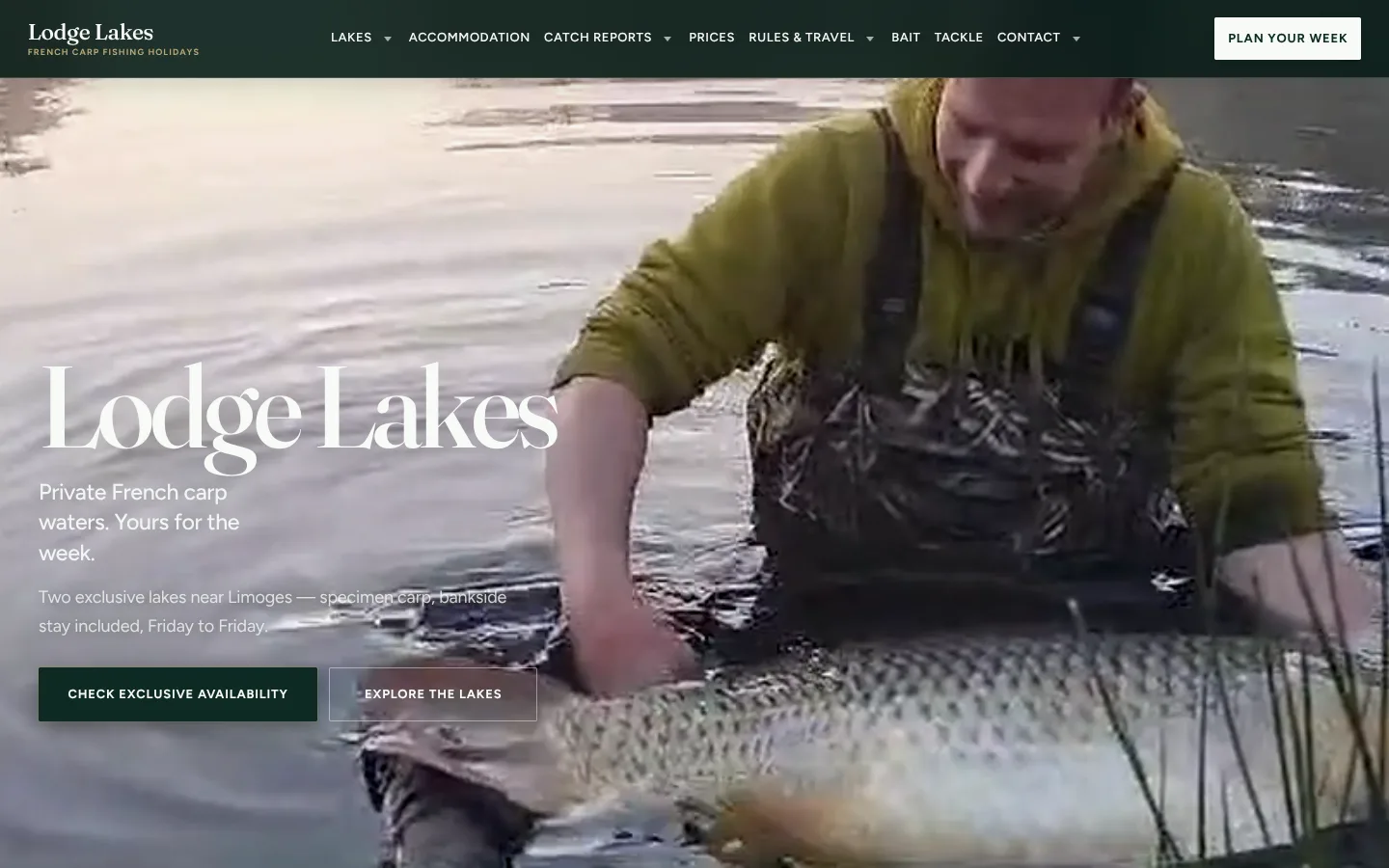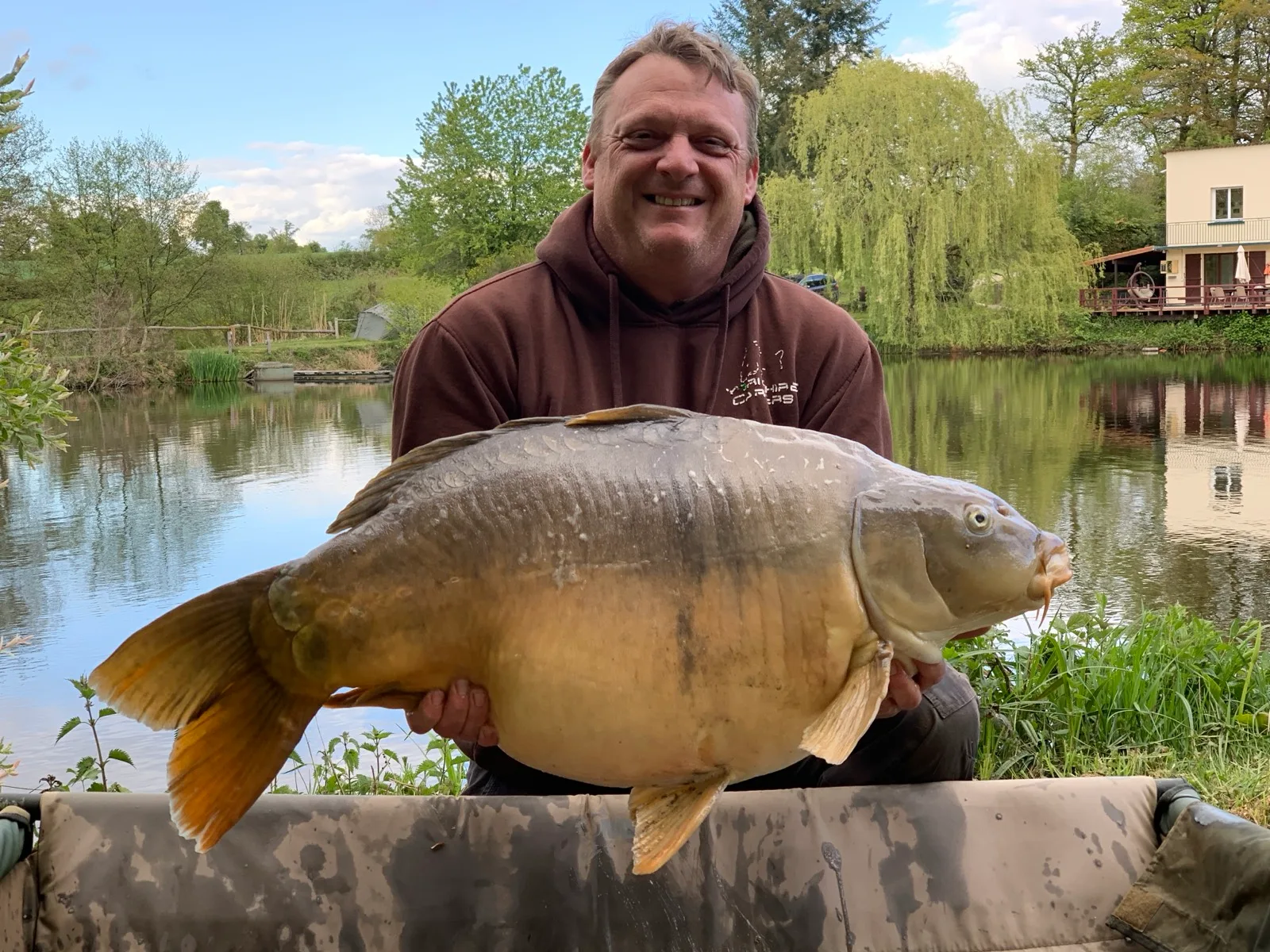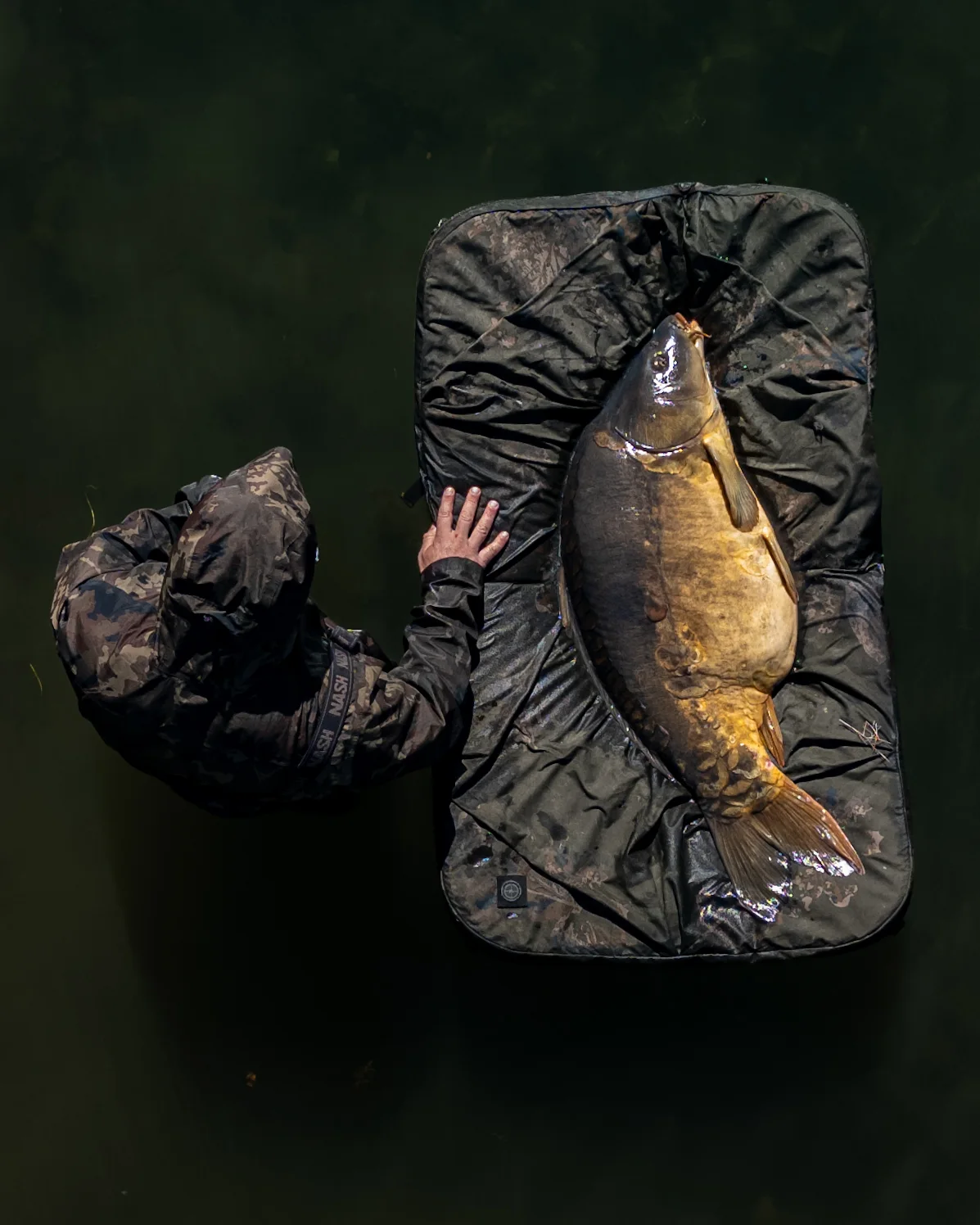
A carp fishery website is more than an online brochure. Before an angler enquires, they want to picture the water, understand how the venue operates and decide whether a trip suits them.
A good website makes those decisions easier. It doesn’t need to be complicated, but it does need to be clear, credible and easy to use on a phone.
Here are ten practical things worth getting right.
1. Lead with real photographs of your water
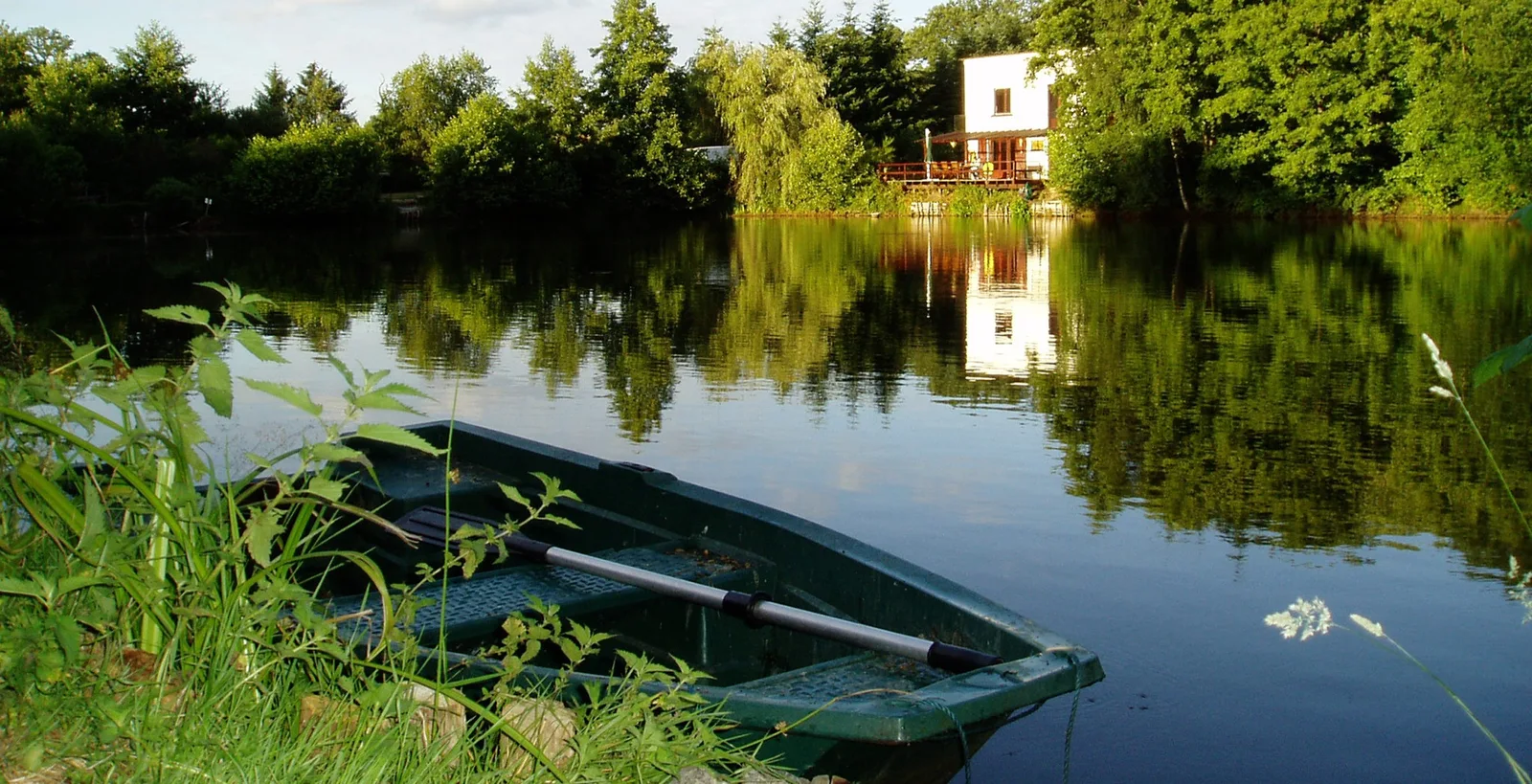
An impressive carp photograph helps, but visitors also want to see the lake itself. Show the water from several angles, the character of the swims and the facilities anglers will actually use.
Include a wide view of each lake, photographs of individual swims, fish pictures linked to the relevant water where appropriate, and photographs of accommodation, toilets, showers, parking and access. Use pictures from your own venue, with permission, rather than stock photographs that could give the wrong impression.
2. Explain what kind of fishing you offer
An exclusive-use French holiday venue needs different information from a UK day-ticket water or a syndicate.
State whether you offer day tickets, 24-hour sessions, individual swims, exclusive weeks or another model. If there are minimum stays, fixed changeover days or limits on anglers, explain them before the visitor starts an enquiry.
3. Make each lake or swim understandable
If you operate multiple waters, give each one a clear page or section. Explain the experience, relevant facilities and the rules that differ between lakes.
A lake map helps visitors understand swim positions, access and shared facilities. It should reflect the actual layout, not just look attractive.
4. Show prices clearly
Display what the price covers: per angler, per swim, per night, per week or exclusive lake. Explain what is included, whether a deposit is payable and when the balance is due.
If food, accommodation or bait costs extra, say so. A straightforward explanation often helps more than a complicated pricing table.
5. Put rules where people can find them
Fishery rules should not be hidden in a tiny PDF or buried in the footer.
Use a proper rules page covering the things anglers need to know before travelling: permitted rigs and bait, unhooking equipment, guest policies, vehicle access, arrival arrangements and any venue-specific requirements. Link to relevant rules during the enquiry or booking journey too.
6. Make booking or enquiries straightforward
Your website should have one obvious next step.
For a smaller fishery, that might be a form asking about dates, party size and preferred lake. For a larger venue, it might be live availability and online booking.
If you offer online booking, the system needs to respect the venue’s actual rules: capacity, stay length, closures, deposits and booking changes. A calendar should never offer dates you cannot accommodate.
See our fishery booking system planning guide before deciding what to automate.
7. Think about the mobile visitor
Anglers may compare venues from a phone, check arrival directions while travelling or look up rules from the bank.
Can someone read the prices without zooming? Are buttons easy to tap? Can they reach the lake gallery and contact page quickly? Avoid giant photographs that force visitors through several screens before they find useful details.
8. Help visitors trust the venue
Current photographs, clear contact details, useful descriptions and consistent branding all make a venue easier to assess.
If you publish catch reports, use accurate dates. If you display testimonials, use genuine reviews and attribute them properly. Avoid unsubstantiated claims about stock, catches or facilities.
Trust comes from useful details, not dramatic slogans.
9. Make getting there easy
Include the venue location, practical directions and arrival information. For rural waters, a postcode may not lead directly to the right gate.
Explain access restrictions or arrangements visitors need to know. For French venues, make travel and check-in information especially easy to find.
10. Build SEO into the structure
Search engine optimisation starts with pages that answer questions people actually ask.
Give each important lake or service a descriptive title and heading. Write natural text about the specific venue, describe images usefully and link related pages together. Correct redirects, a sitemap and good mobile performance support discovery, but none can compensate for inaccurate information.
A five-minute website audit for fishery owners
Open your current website on your phone as though you have never visited your venue.
- Can you identify the type of fishing offered within a few seconds?
- Can you see the lakes, swims and facilities without hunting through menus?
- Are current prices, rules, directions and contact details obvious?
- Is it clear how to check availability or make an enquiry?
- Does what you see accurately represent the real fishery?
If you struggle to answer one of these questions, a first-time visitor may struggle too.
Do you need a complete redesign?
Not always. Some fisheries need better photography, a clearer page structure or a simpler enquiry route rather than a full rebuild.
The right choice depends on what is working already, what customers ask repeatedly and what the website fails to explain. Existing pages and URLs that attract search visitors should be handled carefully when redesigning.
Karp Studio offers carp fishery website design and website redesigns shaped around how fisheries actually operate.
Want a second opinion? Tell me about your fishery and what you would like the website to do better.