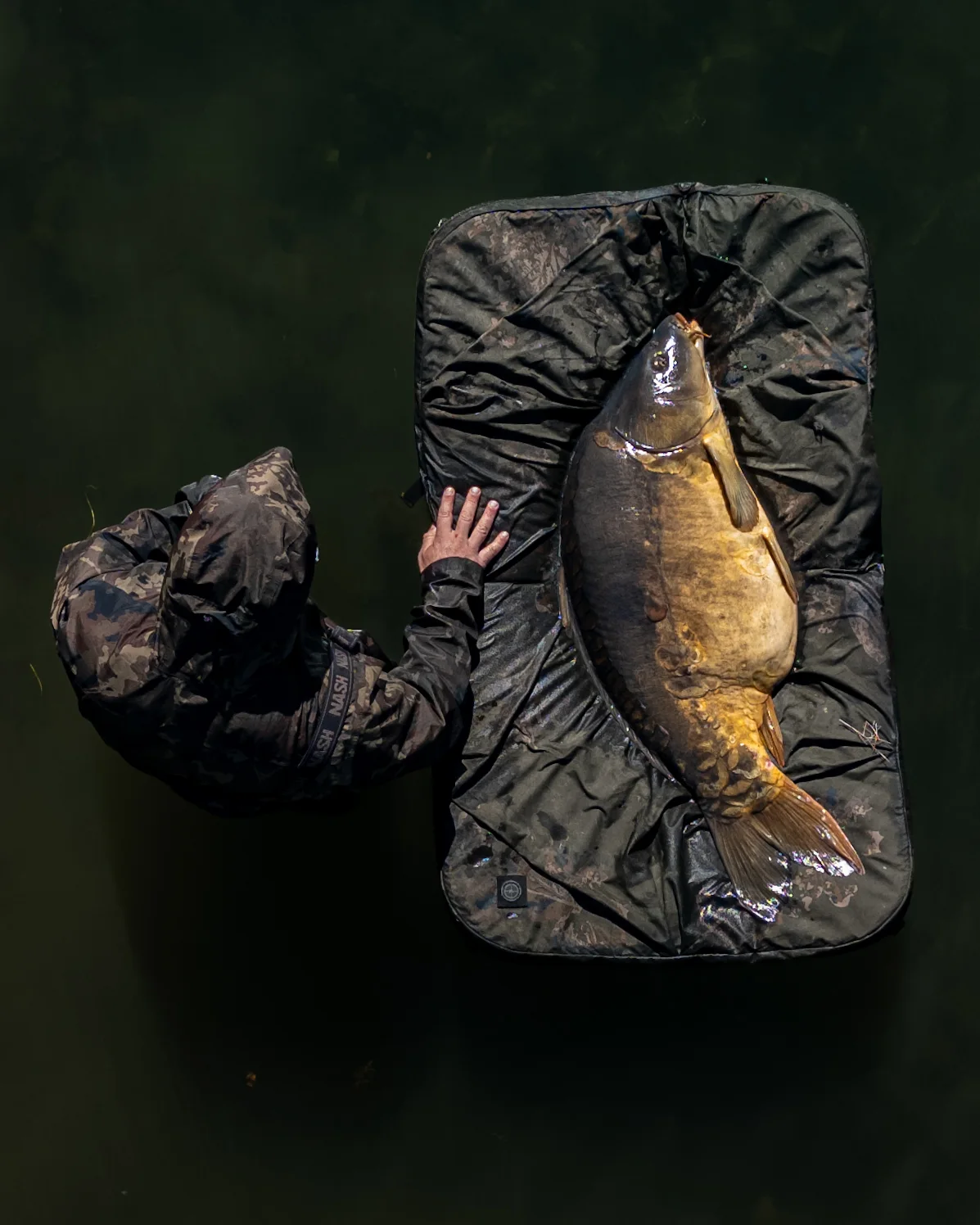
Fishery owners often know their best-known fish by sight, history or a familiar name. As a stock grows, however, relying on memory, photographs and different spreadsheets can make record-keeping difficult.
Digital fish records can bring information together. PIT (passive integrated transponder) identification can support that process, but technology is only useful when the records and the workflow are sensible.
This guide explains the questions to think through before choosing fish stock management software.
What should a fish record contain?
Start with what is useful to your fishery. A record might include a unique identifier, name if used, species, identifying photographs, relevant stocking information and a history of recorded captures.
Depending on the fishery, you may also need fields for weights, measurements, welfare observations or notes made during stock management.
It is important to distinguish confirmed information from estimates or anecdotal reports. A fish profile should not automatically treat an uncertain identification as a fact.
What is a PIT tag?
A PIT tag is a small passive electronic identification device. When a compatible reader is used close enough to the tag, the reader can retrieve its unique identity number.
A PIT tag is not a GPS tracker. It does not tell you where a carp is swimming around a lake, and it does not continuously transmit its position.
Its purpose in a stock-recording workflow is to help associate an identified fish with the correct digital record.
The suitability of tagging, fish handling and equipment needs to be considered carefully. Fish welfare, relevant professional guidance, local requirements and good handling practice take priority over any software feature. A digital system does not replace qualified advice about tagging procedures.
Why identification matters

Two fish can have similar markings, especially when photographs are taken at different angles or under different lighting. If a capture is attributed to the wrong fish, that mistake can follow the record for years.
A clear identity workflow can reduce confusion. That might involve photographs, known markings, a PIT tag, or a combination depending on the fishery.
Whatever method you choose, the record should make it easy to correct an identification while keeping an understandable history of what changed.
Make capture records practical on the bank
The best database is of little value if staff cannot enter information when they need to.
A sensible capture workflow asks for the minimum useful details first. For example, the fish identity, date, swim or lake, photograph and any relevant observations.
Avoid forcing someone to complete a long form while the immediate priority is fish welfare and safe handling. Data entry can be designed to happen after those priorities have been met.
Consider whether your team has reliable mobile signal around the water. If offline recording is needed, discuss how entries will be saved and synchronised without creating duplicate records.
What can a stocktake tell you?
A stocktake is more than a collection of individual fish profiles. It may help a venue bring together known identities, stocking notes, mortality records and checks carried out over time.
The value depends on the quality and completeness of the underlying data. An incomplete database cannot prove that every fish is still present, nor can a set of recent photographs always establish an exact stock count.
Treat reports as an aid to decisions, with uncertainty recorded where appropriate.
Plan permissions and data responsibility
A fishery may have an owner, manager, bailiffs and other people who help with records. Not everyone needs the same level of access.
Decide who can add captures, edit fish identities, review welfare notes and export information. Record important changes where possible, especially when a fish is renamed, merged with another profile or identified incorrectly.
If anglers’ names or contact details appear in capture records, think about privacy and who can view them. Collect only what is genuinely needed for the stated purpose.
Start simple if that is all you need
A small venue may begin with an organised spreadsheet, folders of photographs and a clear naming convention. That can be more sensible than purchasing hardware before deciding what the business needs to record.
Move to a dedicated system when the information is becoming difficult to manage, several staff need shared access or identification and reporting requirements are growing.
Before making that change, check how existing records will be imported, how duplicates will be handled and how data can be backed up or exported later.
How Carp360 approaches fishery records
Carp360 is Karp Studio’s specialist fish stock-recording project. Its focus includes fish identity, capture histories and field workflows for fisheries.
The right implementation depends on current product capabilities, the venue’s recording process and any reader hardware or integrations required. These details should be confirmed before a fishery commits to an installation.
If you are considering a digital approach, our fish stock management software service explains the type of work involved.
Questions to ask before choosing software
A useful starting checklist is:
- What records do we hold already, and how reliable are they?
- How will we identify a fish and deal with uncertain matches?
- Who needs to add or approve information?
- Are we planning to use PIT identification, and why?
- Can staff enter records safely and practically?
- Do we need offline recording or exports?
- How will records be backed up and corrected?
Answer those questions before buying tags, readers or a subscription.
If you’re reviewing your fishery’s record-keeping, tell Karp Studio what you currently use. We can discuss whether a simple improvement or a more specialised system makes sense.